Artemis II
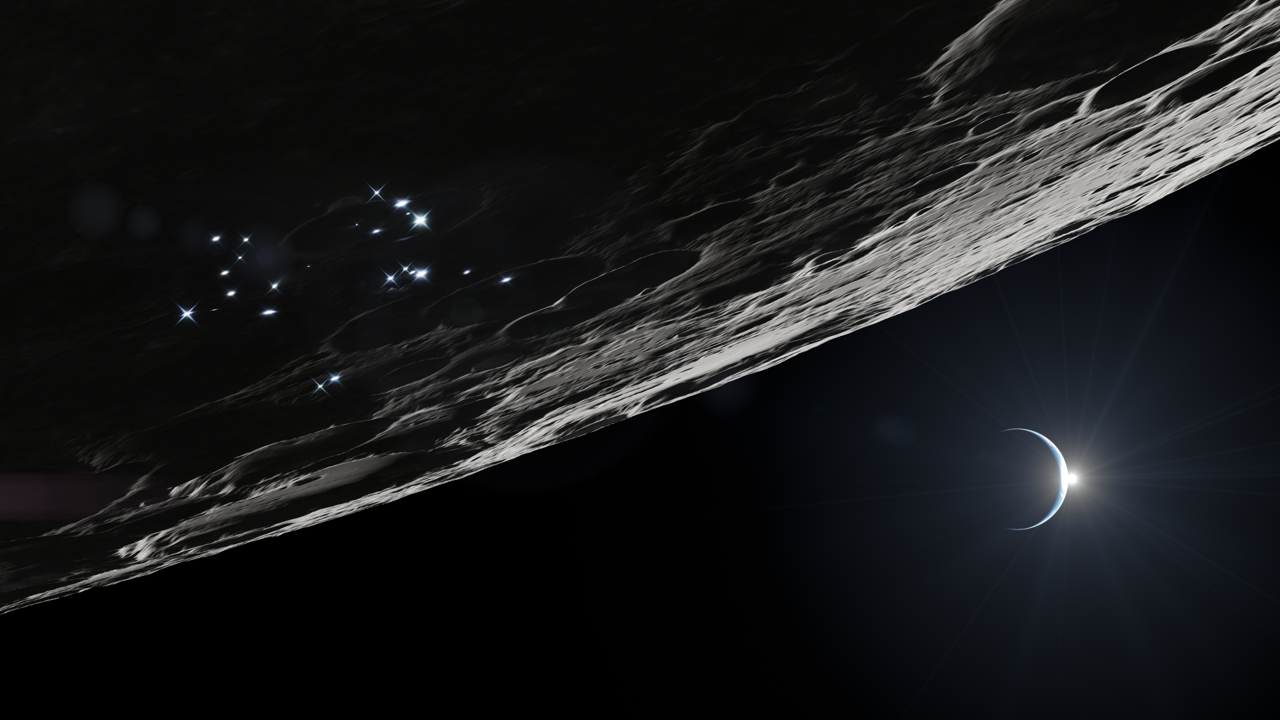
Artemis II was the first crewed lunar mission since 1972 and the second mission of the Artemis Program. This lunar flyby served as a crewed test flight to validate all life support systems in deep space. This 10 day mission ventured around 4000 miles beyond the far side of the moon making it the furthest humans have ever gone.
Launched
April 1, 2026
Distance Traveled
1.4 million miles
#1 flight of 2026
#2 Flight Overall
Mission Status
Successful, exceeded most expectations
Spacecraft
Rocket
Space Launch System
Spacecraft
Orion
Service Module
European Service Module
Provider
NASA
Launch Site
Kennedy Space Center
Objectives
Mission Type
Crewed Lunar Flyby
Crew
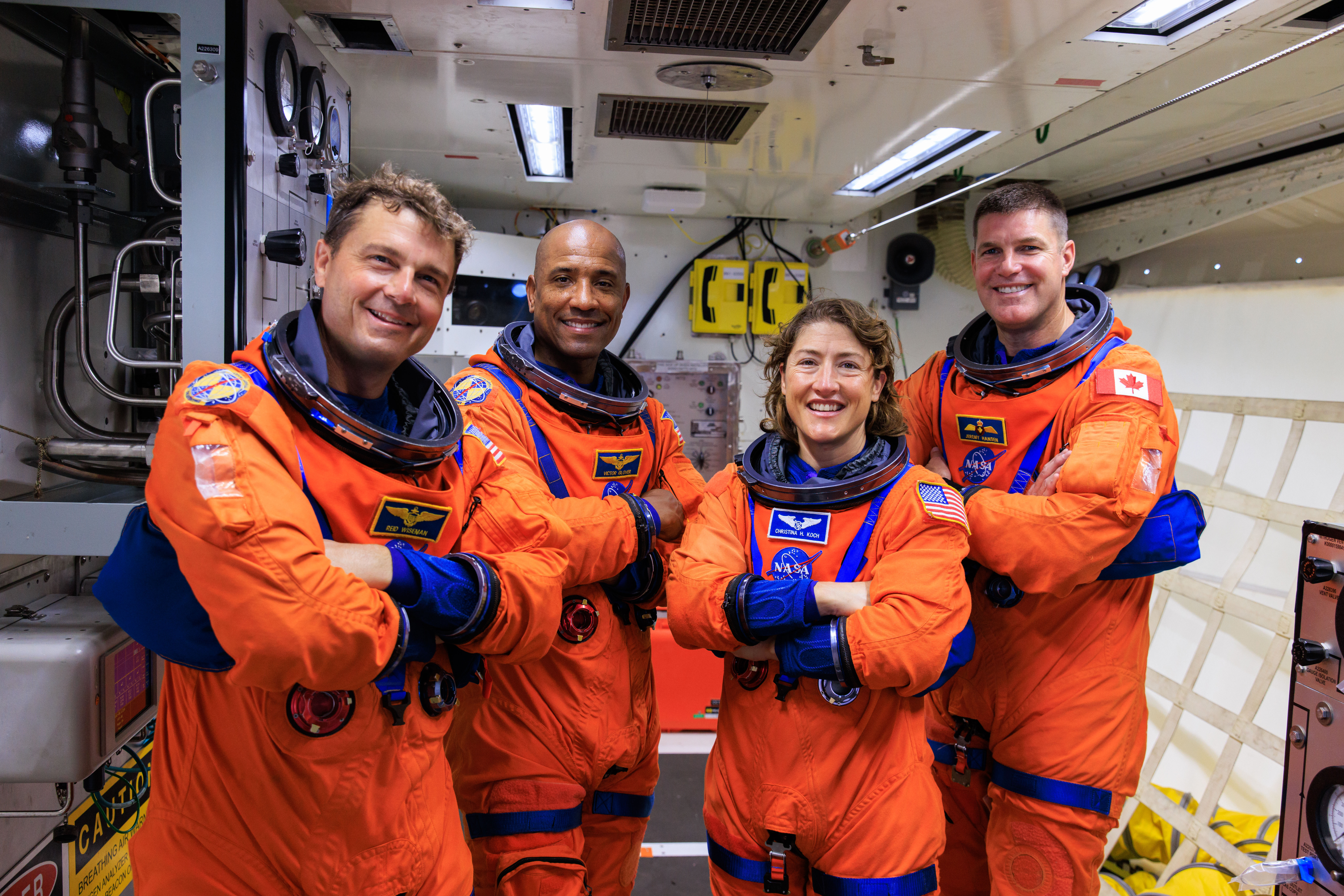
3 NASA, 1 CSA
Length
10 Days
Return
April 10, 2026
Location
Lunar Flyby
Meet The Crew
Reid Wiseman
Completed Mission
Commander
Victor Glover
Completed Mission
Pilot
Christina Koch
Completed Mission
Mission Specialist
Jeremy Hansen
Completed Mission
Mission Specialist
Andre Douglas
Backup Astronaut
Livestreams
Artemis II rollout
Artemis II launch
Explore
Artemis II Trajectory
Created by NASA | Explore Artemis II's path through Eyes on the Solar System!
Meet the Crew
History
Formerly known as Exploration Mission 2 and proposed in 2017, this mission would take crew to rendezvous with an astroid that would be placed into lunar orbit from the Astroid Redirect Mission to retrieve samples. After the Astroid Redirect Mission got canceled in 2017, two proposals came up. One proposal would be a free return trajectory around the moon while the other proposal would be to deliver the first module of Lunar Gateway into lunar orbit.
Preparations
Due to Artemis I's heatshield investigation, stacking the SLS rocket couldn't begin until it concluded contributing to a two year delay. The four engines were integrated into the core stage September 25, 2023 which was delivered to the KSC the end of July 2024. Stacking for the SLS rocket began November 2024 and concluded October 2025.
In April 2024, NASA held a news conference discussing their findings from the Artemis I heatshield and outlined changes they will make. Hot gasses got trapped in the AVCOAT material which caused cracking and unexpected pieces falling off. Because the heatshield was already integrated onto Orion, taking it out and replacing would lead to further delays than if they just decided to keep it on. NASA's decision was to keep the existing heatshield but change the reentry profile. Artemis I used what was called a skip-reentry profile where it initially enters the atmosphere, uses aerodynamic drag to slow down bouncing out of the atmosphere then reentering again at a much slower velocity. Artemis II used a more direct modified version of that profile. Orion entered the atmosphere and lifted up slightly to reduce its velocity but never left the atmosphere. By doing this the heatshield did experience higher heating but reduced the gas buildup.
September of 2025 NASA announced that they were targeting a launch date as soon as February 2026. However due to a large winter storm, launch preparations were delayed to January 2026. The first rollout for the launch vehicle occurred January 18, 2026 with a planned wet dress rehearsal for February 2, 2026. However, the WDR ended prematurely and because of a hydrogen leak addition to a pressurization issue on Orion, the launch had been delayed to March. On February 19, 2026 NASA successfully completed a WDR for the SLS rocket. SLS got rolled back to the VAB on February 25 due to a helium flow issue that they could not fix on the launch pad delaying the earliest potential launch date to April. March 18, 2026 SLS rolled back to the launch pad ahead of an April 1 launch.
Flight
Artemis II successfully launched on April 1, 2026 at 6:35EST, the first crewed launch from Launch Complex 39B since 2006. The first day was spent in a high elliptical orbit to validate life support systems including some docking practice. Then Orion preformed a trans lunar injection burn which put Orion on a free return trajectory around the moon. On April 6 23:02UTC Orion was 252,756 miles from Earth breaking Apollo 13's 56 year record (248,665mi) as the furthest humans have been from Earth. On April 11, Orion reentered the atmosphere with a max velocity of 24,664mph splashing down about six minutes later. They splashed down near the coast of San Diego, they landed less than a mile from their determined target.
Timeline
- T-9y: Mission profile redefined
- T-3y: Crew announced
- T-2y 9m: Core stage delivered to KSC
- T-2y 3m: Launch date set to September 2025
- T-2y: Artemis I heatshield investigation began
- T-1y 5m: SLS stacking began
- T-1y 4m: Launch date delayed to April 2026
- T-1y 4m: Artemis I heatshield investigation concluded
- T-7m: Launch date set to February 5, 2026
- T-6m: SLS stacking completed
- T-2m 14d: SLS rollout #1
- T-1m 30d: WDR attempt #1
- T-1m 13d: WDR attempt #2 successful
- T-1m 11d: Launch date delayed to March
- T-1m 7d: SLS rolled back to VAB
- T-20d: Launch date set to April 1, 2026
- T-12d: SLS rollout #2
- T-5d: Crew arrived to KSC
- +00:00:00: Engines ignited
- +00:02:00: Booster separation
- +00:08:00: Orion separation
- +00:50:00: Perigee raised above atmosphere
- +01:50:00: Apogee raised to 44,000mi
- +02:00:00: Core stage reentered atmosphere
- +1d: Translunar injection burn
- +4d: Correction burn performed
- +5d: Furthest humans have traveled from Earth
- +6d: Left lunar sphere of influence
- +8d: Correction burn performed
- +9d: Correction burn performed
- +10d: Splashdown